The Open-Weight Era: Why Frontier Models are Going Open-Source

Proprietary AI is losing its moat. In 2026, open-weight models are matching frontier performance, fundamentally changing how enterprises deploy AI.
A year ago, conventional wisdom stated that the most capable AI models would always be locked behind the APIs of three or four massive tech giants.
By July 2026, that assumption has collapsed. We have officially entered the Open-Weight Era. Models that rival or exceed the performance of proprietary, closed-source systems are now freely available for developers to download, modify, and run on their own hardware.
1. What is an Open-Weight Model?
Unlike traditional open-source software, building a frontier AI model costs tens of millions of dollars in compute. An "open-weight" model means the creator has released the pre-trained neural network weights.
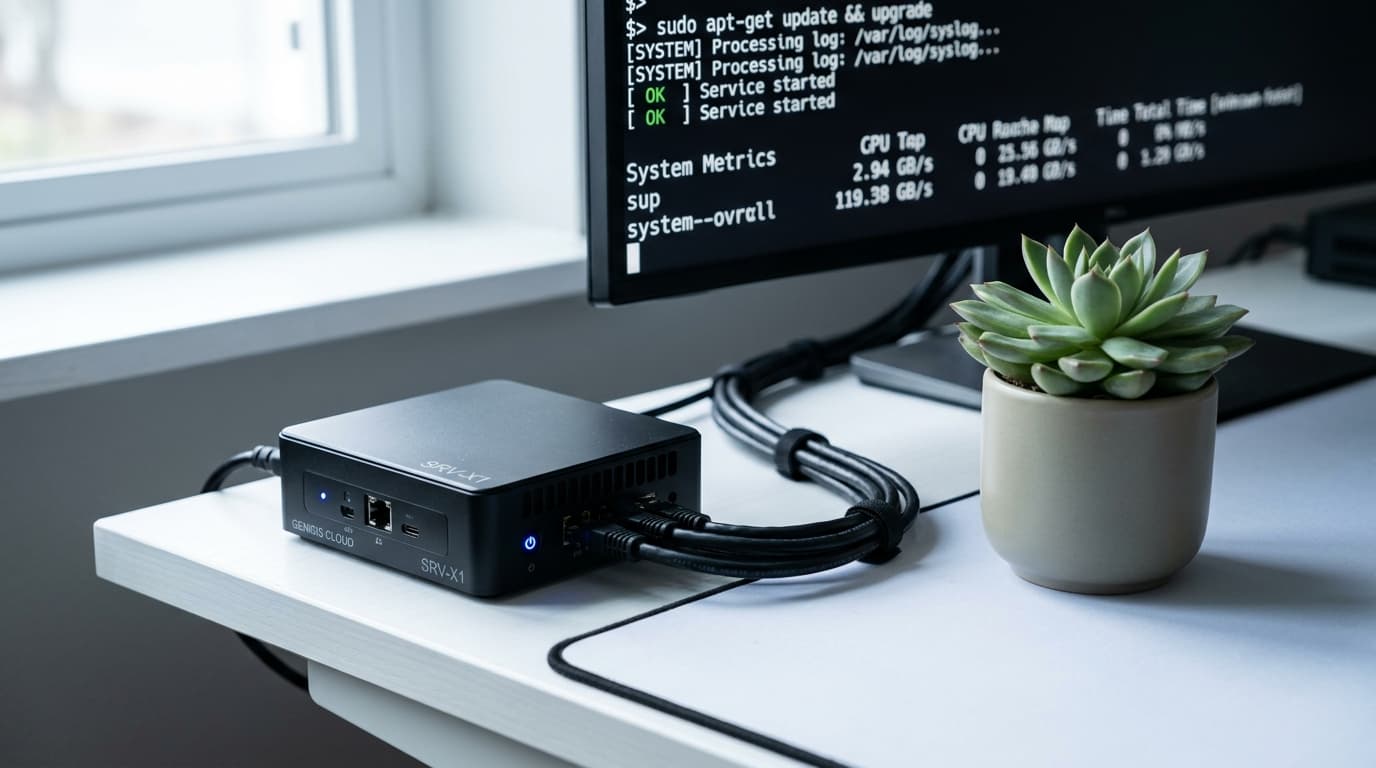
While you might not have the code to train it from scratch, you have the full power of the finished brain. You can fine-tune it, host it locally, and build products on top of it without paying API per-token fees.
2. The Enterprise Flight to Open Models
Why are Fortune 500 companies abandoning proprietary APIs? Three reasons:
- Data Privacy: Enterprises refuse to send sensitive customer data or proprietary code over an API to a third party. Open-weight models allow them to run powerful AI securely within their own Virtual Private Clouds (VPCs).
- Cost Predictability: API costs can spiral out of control. Running an open-weight model means your costs are fixed to your hardware.
- Vendor Lock-in: Relying on a single vendor for your core product intelligence is an unacceptable business risk. Open models provide true independence.
3. The Commoditization of Intelligence
As models like Kimi K3 and others hit the market, basic reasoning is becoming commoditized. The value is no longer in having the smartest general-purpose model; the value is in having the best proprietary data to fine-tune an open model for a specific task.
The Developer Revolution
The Open-Weight Era is shifting power away from centralized labs and back into the hands of independent developers. The future of AI is local, private, and open.
David tests AI tools, gadgets, and developer platforms hands-on before writing about them. His work focuses on making complex tech approachable — without the hype. He has covered 100+ products across AI, gadgets, and software for TechPixelly.