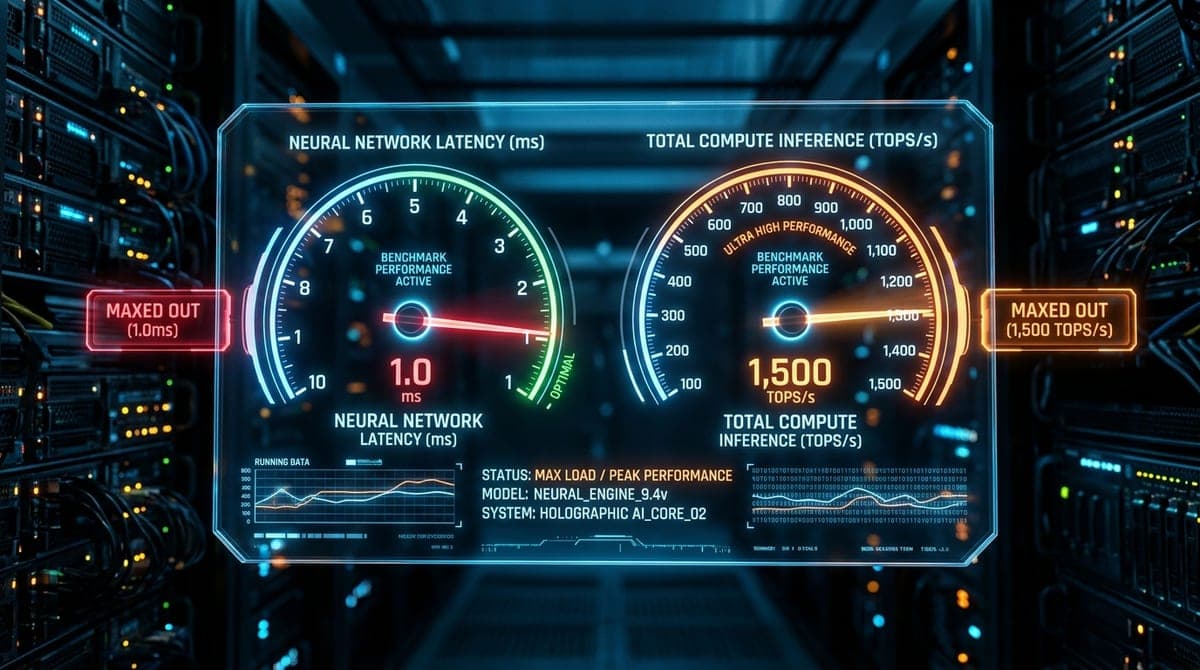
"RAMageddon": How AI Data Centers Are Driving Up Consumer Tech Prices
If you’ve tried to build a gaming PC, buy a mid-range smartphone, or upgrade your laptop this month, you’ve probably experienced extreme sticker shock. Across the board, consumer electronics are roughly 15-20% more expensive than they were this time last year.
Welcome to "RAMageddon."
The tech industry is currently navigating one of the most severe supply chain crunches since the 2021 pandemic era. But this time, it isn't caused by a virus or a boat stuck in a canal. It is caused by the insatiable, ravenous appetite of Artificial Intelligence.
Let's look at why your next smartphone costs more, and why the tech giants building AI-native infrastructure are effectively pricing consumers out of the market.
The HBM Vacuum
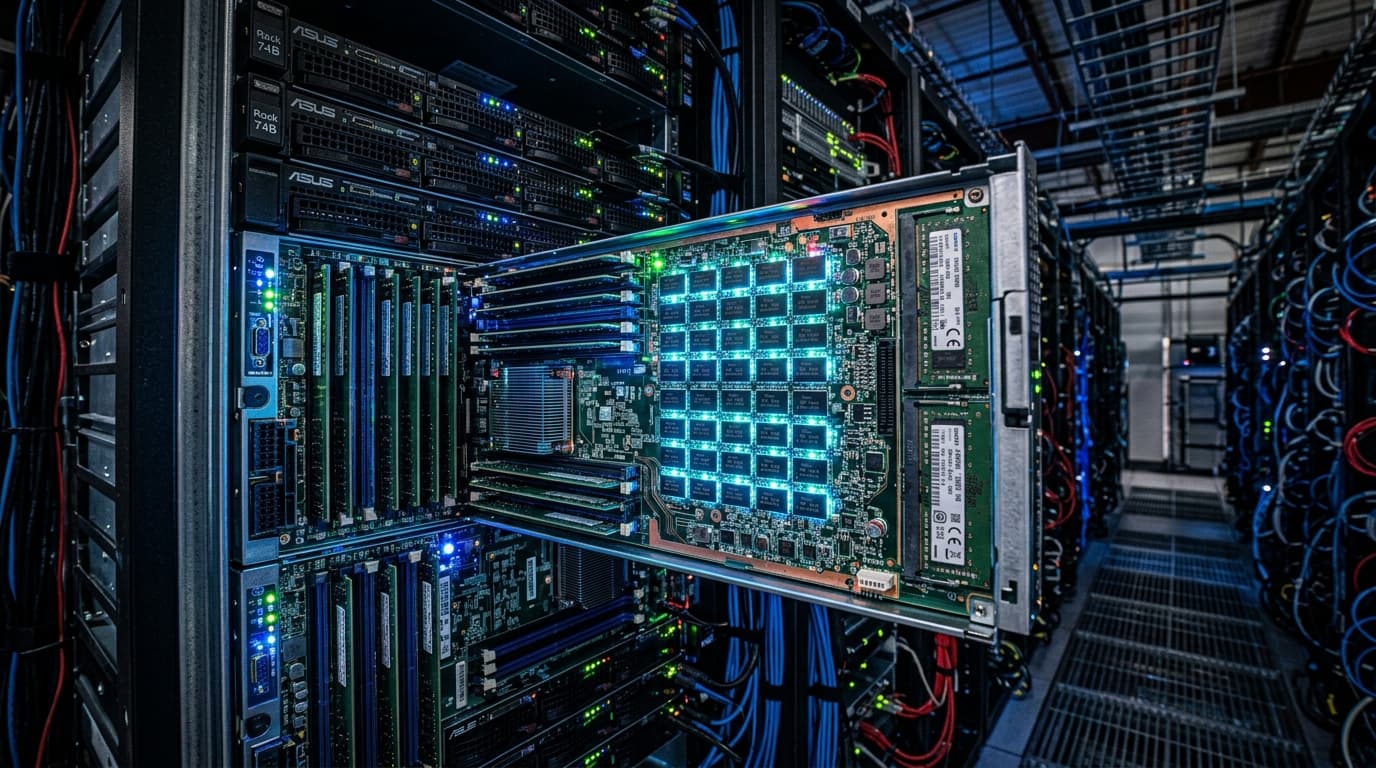
To understand RAMageddon, you have to look inside a modern AI data center. Training and running models like GPT-5.6 or Claude Sonnet 5 requires an astronomical amount of compute. But compute is only half the equation. To feed data into those processors quickly enough, you need High-Bandwidth Memory (HBM).
Right now, hyperscalers—companies like Microsoft, Google, Meta, and AWS—are in a dead sprint to build the largest AI superclusters on the planet. They are signing massive, multi-billion dollar exclusivity contracts with foundries like TSMC, SK Hynix, and Samsung to buy up essentially every single HBM chip rolling off the assembly line.
Because the foundries are prioritizing these incredibly lucrative, high-margin AI contracts, they are dedicating fewer resources to manufacturing the standard LPDDR memory that goes into consumer laptops, tablets, and smartphones.
The result? The supply of consumer-grade RAM and basic silicon logic boards has plummeted, driving component costs through the roof.
The Consumer Impact
Hardware manufacturers are trapped. They have to pay 30% more for memory chips, and they are passing that cost directly to you.
We are seeing the death of the "budget flagship." Devices that used to launch at $599 are now pushing $749. Upgrading a laptop from 16GB of RAM to 32GB—which is increasingly necessary if you want to run on-device AI models smoothly—is suddenly carrying a $300 premium.
Furthermore, the innovation cycle for consumer tech has noticeably slowed down. Rather than redesigning motherboards, companies like Dell and HP are reusing last year's chassis and internal designs to save on R&D costs, slapping a higher price tag on the box, and marketing it entirely around its "AI capabilities."
The Shift to Alternative Brands
Because premium tier devices from Apple and Samsung are becoming prohibitively expensive for many users, we are seeing a massive shift in consumer behavior in July 2026.
Buyers are migrating to disruptive brands that offer high value-to-cost ratios. The newly launched Nothing Phone (4b) is a perfect example. By stripping away unnecessary bloatware, focusing on aggressive design, and utilizing slightly older but highly optimized silicon, Nothing has managed to deliver a sub-$400 phone that feels remarkably premium.
Consumers are also holding onto their devices much longer. The upgrade cycle for a smartphone has stretched from 24 months to nearly 40 months. If your current phone works, the incentive to upgrade during RAMageddon is incredibly low.
The Sovereign Compute Solution
Is there an end in sight? Yes, but it will take time.
The long-term fix for RAMageddon is the massive global investment in Sovereign Compute. Countries are currently pouring hundreds of billions of dollars into building domestic semiconductor fabrication plants to reduce reliance on Taiwan and South Korea.
However, building a bleeding-edge fab takes three to four years. Until those new assembly lines spin up and flood the market with supply, the crunch will continue.
If you desperately need to upgrade your tech right now, my advice is simple: buy refurbished. A high-end laptop from 2024 is going to perform beautifully for years to come, and it completely sidesteps the inflated AI tax currently plaguing the 2026 market. Otherwise, hold onto your wallet. The machines are hungry, and right now, they are eating our RAM.
Rohan tracks emerging technology at the intersection of research and real-world adoption. With a background in data science and five years covering tech for publications across three continents, he specialises in explaining what a trend actually means for people and businesses — not just the hype.