Chalo Sansad 2026: India's Youth March on Parliament Over NEET Paper Leak Crisis
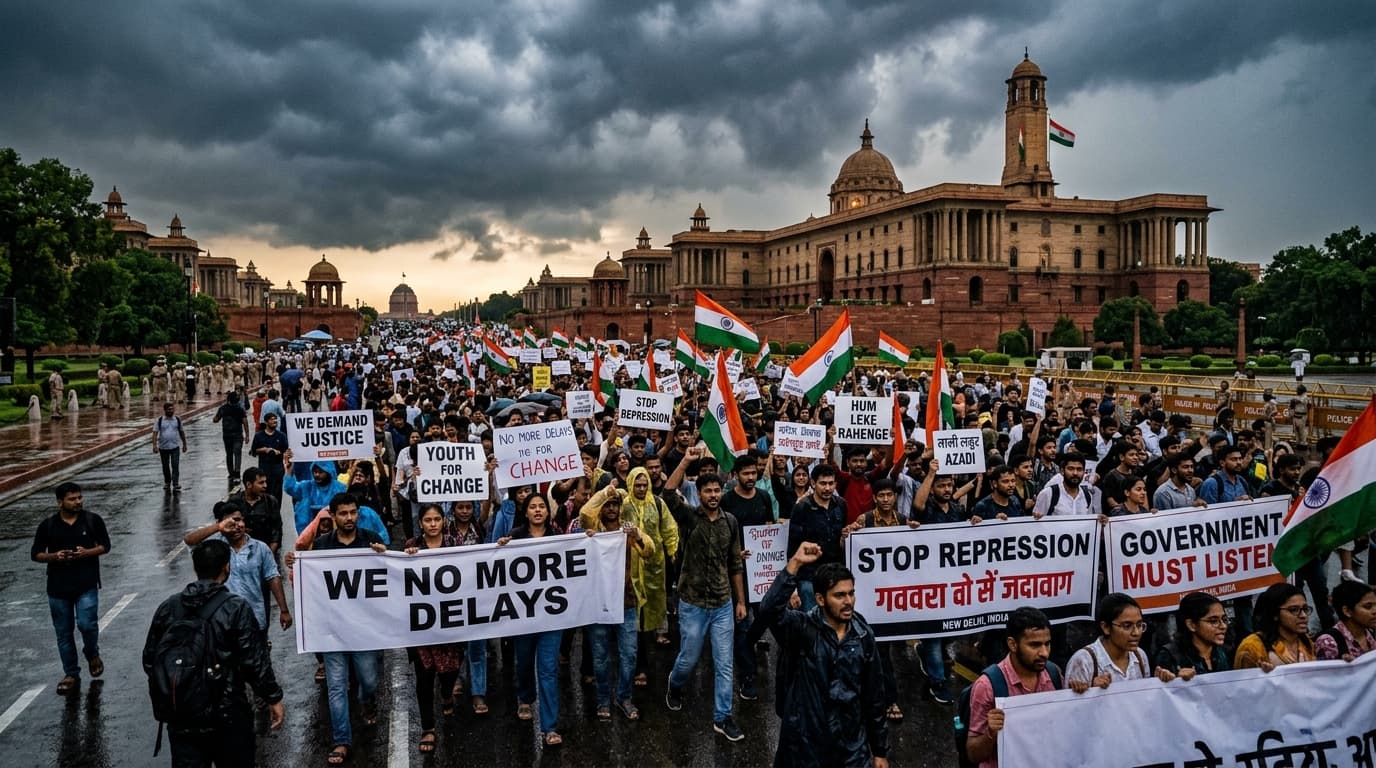
Thousands of students stormed New Delhi in the 'Chalo Sansad' rally, demanding accountability for the 2026 NEET paper leak. Tear gas, internet shutdowns, and a hunger strike — here's the full story.
On July 20, 2026, the streets of New Delhi became the epicenter of one of the largest youth-led protests India has seen in years. Thousands of students and young activists, mobilized under the banner of the Cockroach Janta Party (CJP), attempted a "Chalo Sansad" (March to Parliament) rally to demand accountability for the devastating 2026 NEET paper leak scandal.
The situation escalated dramatically, with police deploying tear gas and batons, authorities shutting down metro stations and mobile internet across parts of Central Delhi, and the nation watching a generation of students refuse to back down.
1. The NEET Paper Leak: What Happened
The National Eligibility cum Entrance Test (NEET), the single gateway examination for medical college admissions in India, was rocked by a massive paper leak scandal in 2026. Reports emerged that the question paper had been distributed to organized networks days before the examination date, compromising the results for millions of aspiring medical students.
For India's youth — many of whom spend years and significant family resources preparing for this single examination — the breach was not just administrative negligence. It was a betrayal of their future.
2. The Protest Movement
The CJP, a youth-based political movement founded by activist Abhijeet Dipke, has been holding continuous protests at Jantar Mantar in New Delhi since June 6, 2026. Their core demands include:
- Resignation of Union Education Minister Dharmendra Pradhan for alleged mishandling of the examination process and the CBSE's role in the leak.
- A transparent, court-monitored re-investigation of the leak and prosecution of all individuals involved.
- Systemic reform of India's national examination process, including the adoption of tamper-proof digital examination infrastructure.
The movement gained significant momentum when prominent activist Sonam Wangchuk began an indefinite hunger strike on June 28 in solidarity with the students.
3. July 20: The Crackdown
Despite authorities denying permission for the march and imposing Section 163 of the BNSS (prohibitory orders) across the New Delhi district, thousands of supporters converged on the area around Parliament.
The police response was forceful:
- Tear gas and baton charges were deployed against the crowd.
- Multiple Delhi Metro stations in Central Delhi were shut down.
- Mobile internet services were suspended across parts of the district to prevent further coordination.
- Reports indicate scores of injuries among both protesters and police personnel.
4. What Comes Next
As of July 21, the movement has vowed to continue and escalate its protests. Sonam Wangchuk has extended his hunger strike in response to the police crackdown. The incident has drawn international media attention and comparisons to previous landmark Indian student movements.
The NEET paper leak crisis is not just an education scandal; it is a generational flashpoint. India's youth are demanding that the systems designed to determine their futures operate with integrity — and they are willing to march to Parliament in the monsoon rain to make that point heard.
David tests AI tools, gadgets, and developer platforms hands-on before writing about them. His work focuses on making complex tech approachable — without the hype. He has covered 100+ products across AI, gadgets, and software for TechPixelly.