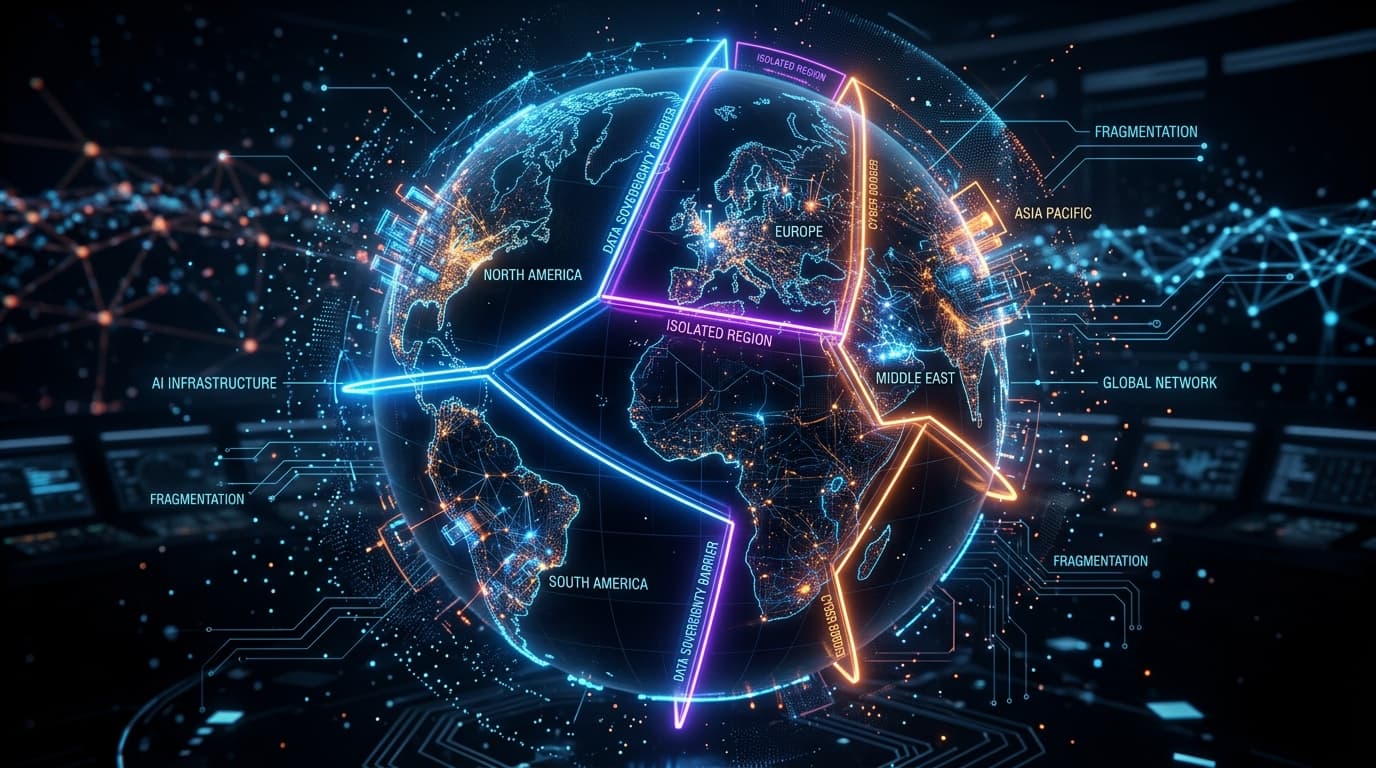
Physical AI: The Rise of Multimodal 'Robots with Brains'
AI is stepping out of the digital realm and into the physical world. Learn how multimodal intelligence is powering a new generation of autonomous robots.
Until recently, the most advanced Artificial Intelligence was trapped behind a screen—generating text, analyzing data, or writing code. Meanwhile, industrial robots were largely blind machines repeating hardcoded movements in strictly controlled environments.
In July 2026, those two worlds have collided. The next massive frontier in technology is Physical AI: equipping advanced robotics with the multimodal intelligence required to navigate and manipulate the unpredictable real world.
1. Robots with Brains
The shift toward Physical AI (also known as Embodied AI) represents a fundamental change in robotics. Instead of programming a robot exactly how to pick up a box at coordinates X and Y, developers give the robot a "brain"—a multimodal AI model.
Through onboard cameras and sensors, the robot can see a messy warehouse, identify the correct box, understand that it's fragile based on its labeling, and dynamically calculate the exact force needed to pick it up safely, avoiding dynamic obstacles along the way.
2. The Power of Multimodal Integration
Physical AI relies entirely on the maturation of multimodal models. These systems don't just process text; they simultaneously synthesize video feeds, spatial audio, and tactile sensor data in real-time.
For example, in modern manufacturing, a Physical AI inspector can look at a machined part, listen to the acoustic signature of the milling machine, and reference the original CAD text manuals simultaneously to identify a micro-fracture that human quality control would miss.
3. Real-World Applications
The deployment of Physical AI is rapidly accelerating across sectors:
- Logistics: Autonomous humanoids navigating unstructured warehouse floors to fulfill complex, multi-item orders.
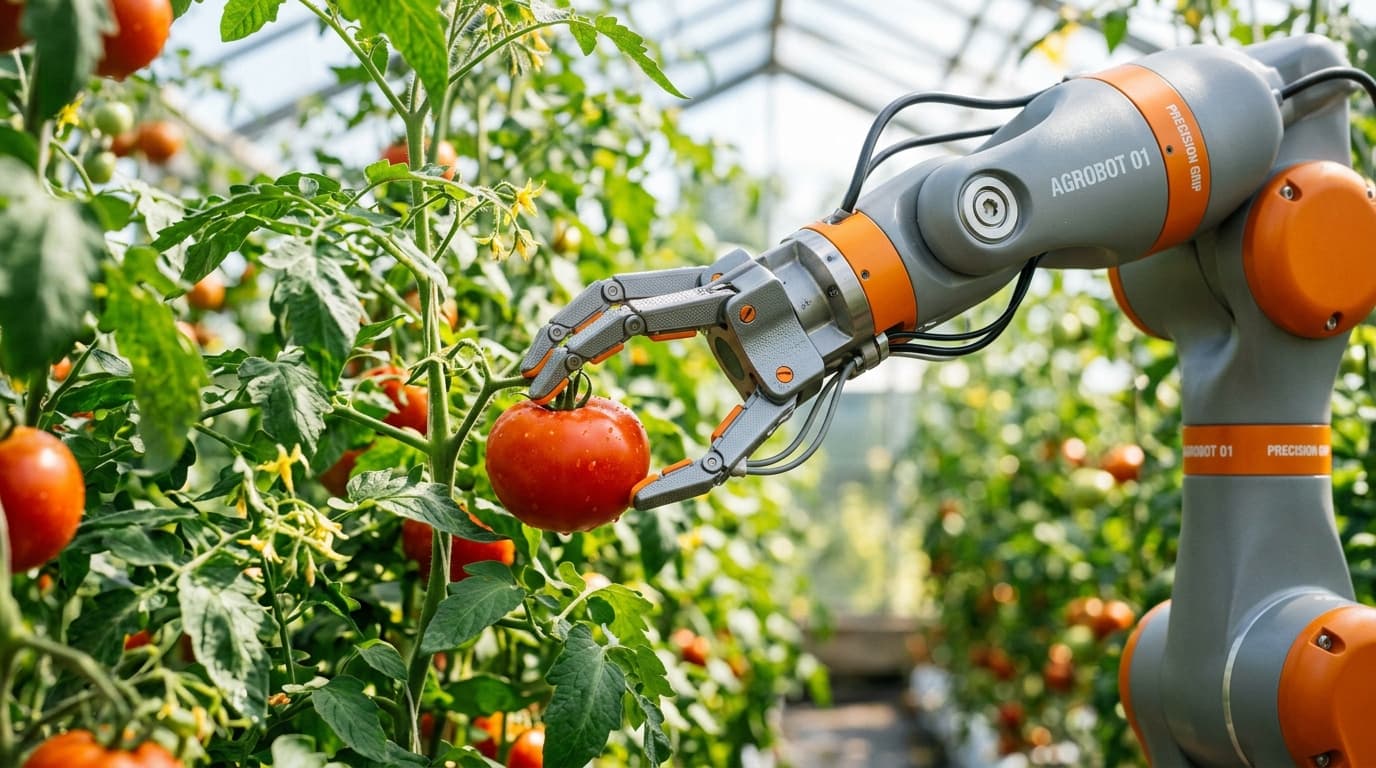
- Agriculture: Harvesting robots that visually identify ripe fruit and adjust their grip strength dynamically to avoid bruising.
- Healthcare: Robotic assistants in hospitals capable of safely navigating crowded hallways to deliver supplies or assist patients with mobility.
Stepping into the Physical World
We are witnessing the Cambrian explosion of robotics. By granting machines the ability to perceive, reason, and act in the physical world, AI is poised to transform the global economy far beyond the limits of the knowledge worker.
David tests AI tools, gadgets, and developer platforms hands-on before writing about them. His work focuses on making complex tech approachable — without the hype. He has covered 100+ products across AI, gadgets, and software for TechPixelly.