Physical AI is Here: Polyfunctional Robots Entering Logistics and Warehouses
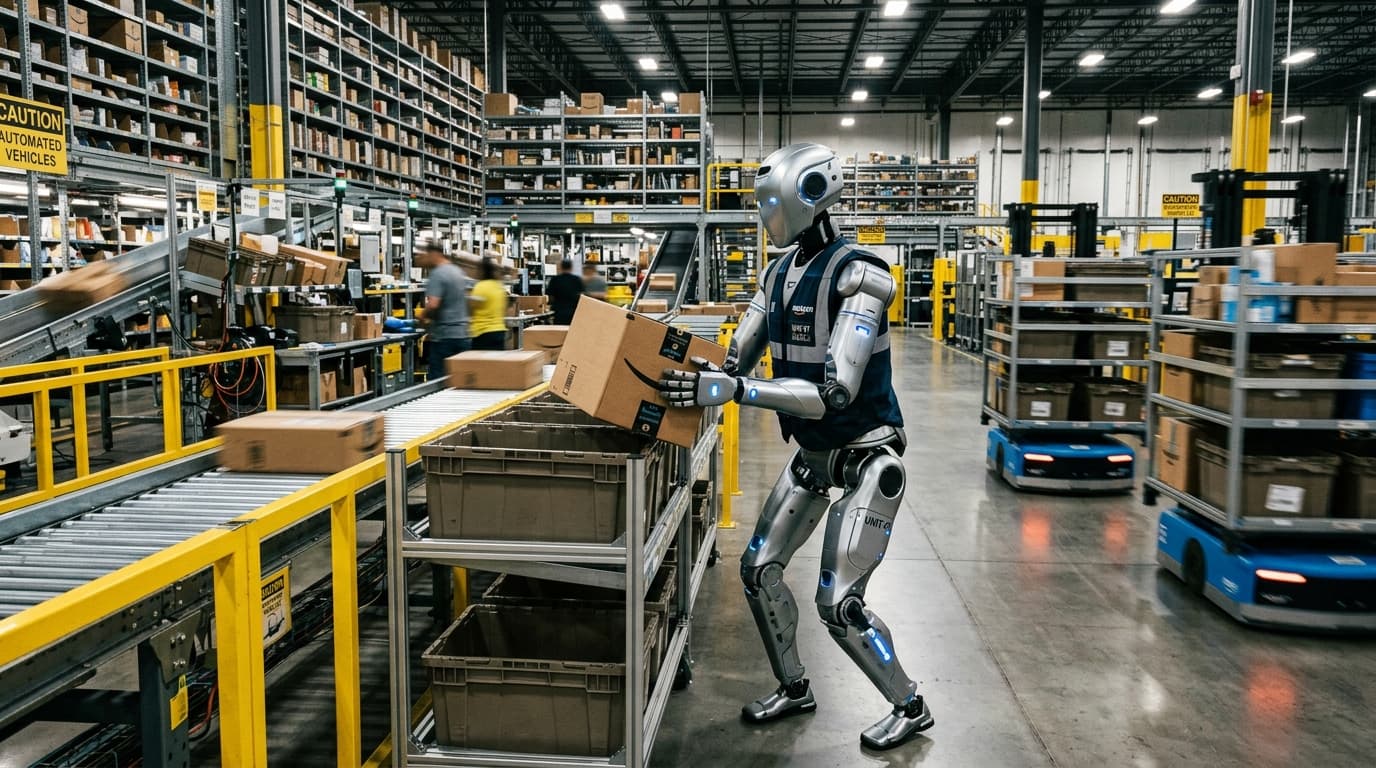
Physical AI robotics are completely transforming the supply chain. Discover how polyfunctional robots in logistics 2026 are replacing single-purpose machines.
I spent last week walking the floor of a major distribution center outside of Chicago, and it was entirely different from what I saw just two years ago. The clunky, single-purpose machines are being ripped out. In their place? A fleet of highly advanced, physical AI robotics. The leap from digital AI to physical AI is happening right now, and it is happening fast.
The Rise of Polyfunctional Robots
For decades, industrial robots were dumb. They did one thing repeatedly. If a box was slightly out of place, the entire line stopped.
Today, we are seeing the deployment of polyfunctional robots logistics 2026. These machines are powered by multimodal AI models that can see, reason, and adapt in real-time. I watched a humanoid robot drop a package, realize its mistake, pick it back up, and adjust its grip—all autonomously. It learned on the fly.
These robots can unload trucks in the morning, sort inventory in the afternoon, and clean the floors at night. They are not programmed; they are trained.
The Hardware Driving the Revolution
This level of physical AI requires massive onboard edge computing. You can't rely on cloud latency when a 200-pound robot is moving through a warehouse filled with humans.
For developers building the simulation environments to train these robots, high-end visualization hardware is a must. If you're building digital twins, you need serious GPU power. I rely on the NVIDIA RTX 5090 (around $1,999) for running complex physics simulations locally. It allows for highly optimized, real-time rendering of training environments without dropping frames.
Physical AI is the next trillion-dollar market. The robots aren't just coming; they are already on the warehouse floor.
David tests AI tools, gadgets, and developer platforms hands-on before writing about them. His work focuses on making complex tech approachable — without the hype. He has covered 100+ products across AI, gadgets, and software for TechPixelly.