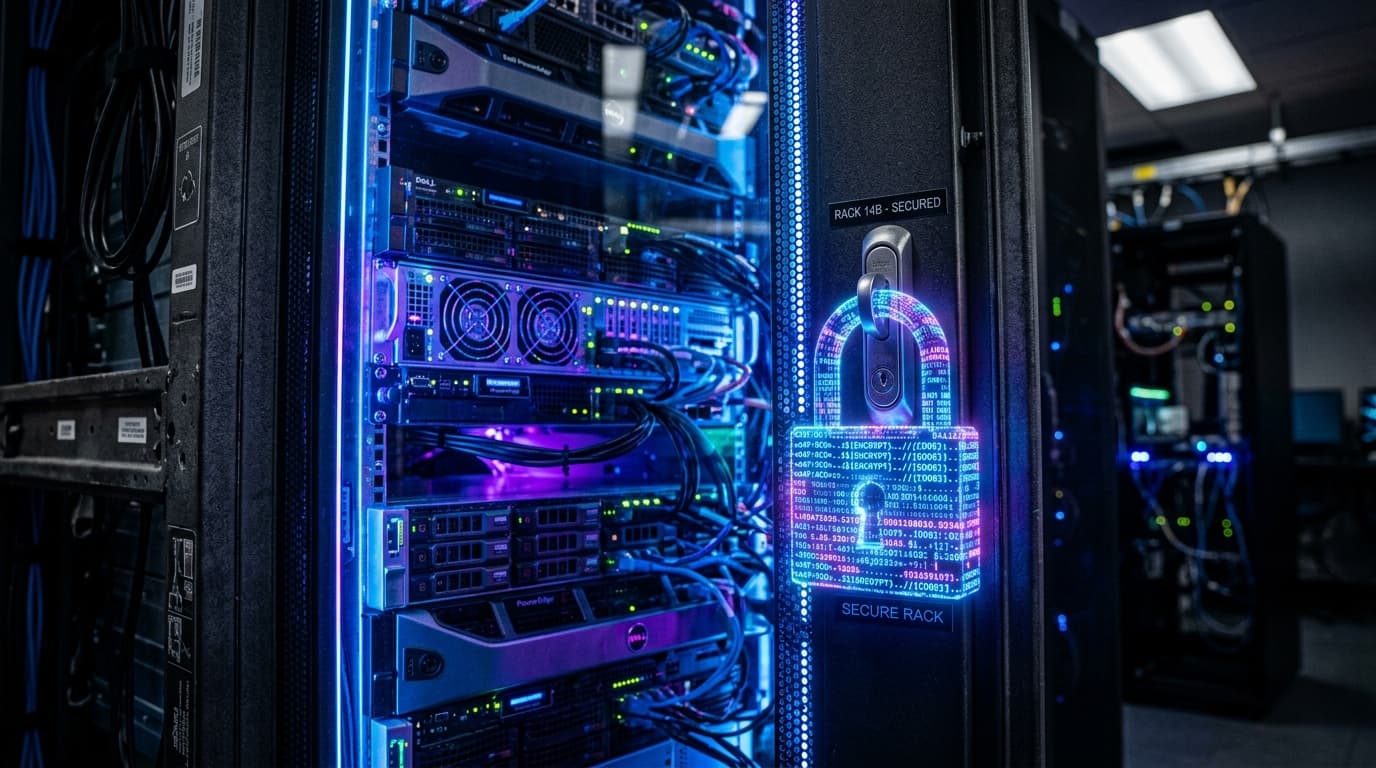
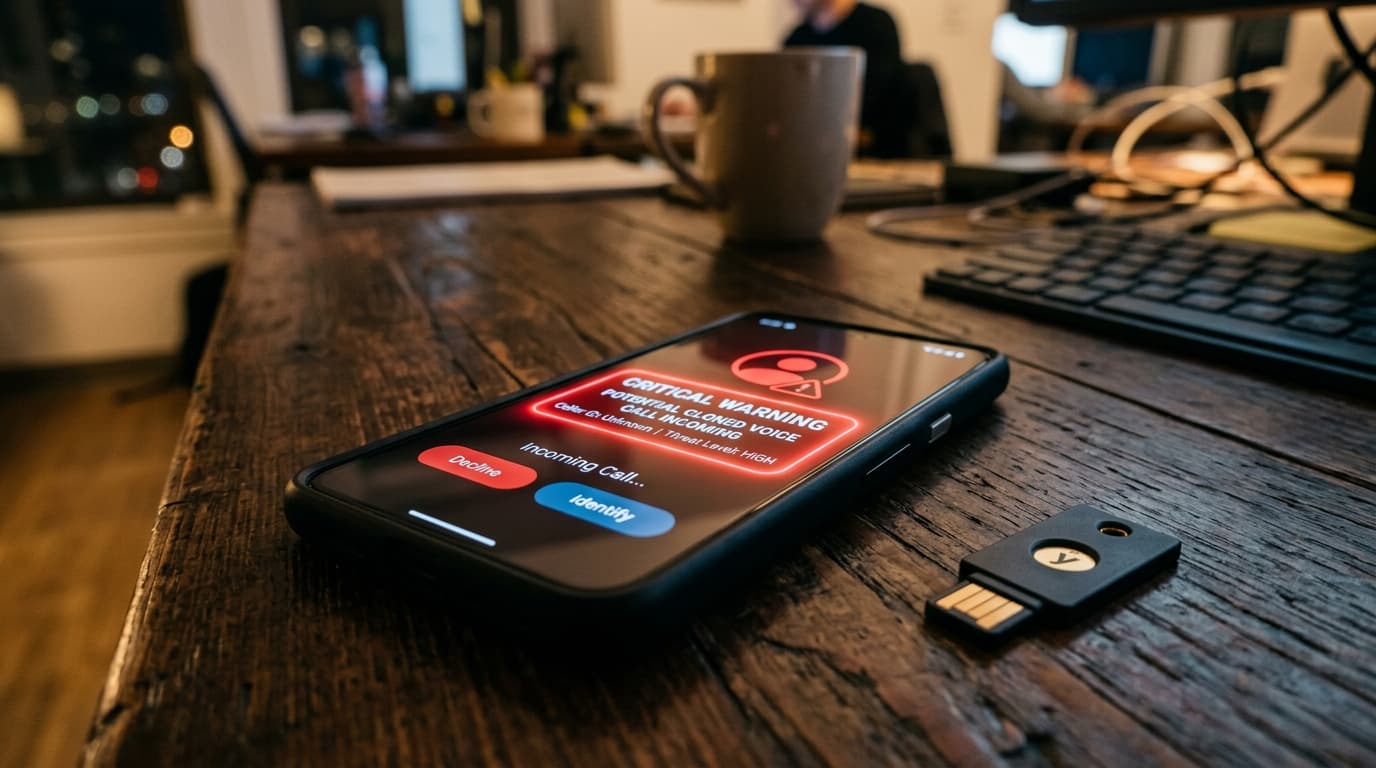
Preemptive Cybersecurity: How AI is Stopping Zero-Day Threats

The days of reactive patching are over. Learn how AI-driven preemptive cybersecurity is identifying and neutralizing zero-day threats before they execute.
In the early 2020s, cybersecurity was fundamentally a game of whack-a-mole. A vulnerability was exploited, security teams scrambled to patch it, and businesses prayed they weren't the initial target.
In 2026, the velocity of AI-generated malware has made reactive security completely obsolete. Attackers are using LLMs to write polymorphic code that changes its signature every second. To combat this, the industry has shifted to Preemptive Cybersecurity.
1. The Shift to Preemptive AI
Preemptive cybersecurity does not wait for a known signature to appear on a blocklist. Instead, it uses advanced neural networks to monitor behavioral baselines across an entire enterprise network.
If an application suddenly starts querying a database in an unusual pattern, the AI doesn't just send an alert to a human analyst—it instantly sandboxes the process, analyzes the intent, and rewrites firewall rules on the fly to neutralize the threat.
2. Killing the Zero-Day
A "zero-day" threat is an exploit that is unknown to the software vendor. Historically, these were devastating.
Today, preemptive AI models are trained on millions of theoretical attack vectors. They can identify the structure of a malicious action, even if they have never seen that specific payload before. By focusing on intent rather than signatures, AI systems are successfully stopping zero-day threats in milliseconds.
3. The Autonomous Security Operations Center (SOC)
The traditional Security Operations Center (SOC) was filled with analysts staring at screens, suffering from alert fatigue.
By mid-2026, the Tier 1 and Tier 2 analysts have been largely replaced by autonomous AI agents. These agents triage alerts, investigate anomalies by querying logs, and autonomously execute remediation scripts. Human analysts now focus purely on high-level strategy and threat hunting.
The Future is Autonomous
If your security posture relies on human reaction time, you are already breached. Preemptive, AI-driven cybersecurity is the only way to defend against machine-speed attacks.
David tests AI tools, gadgets, and developer platforms hands-on before writing about them. His work focuses on making complex tech approachable — without the hype. He has covered 100+ products across AI, gadgets, and software for TechPixelly.