Physical AI: When Artificial Intelligence Leaves the Screen and Enters the Real World
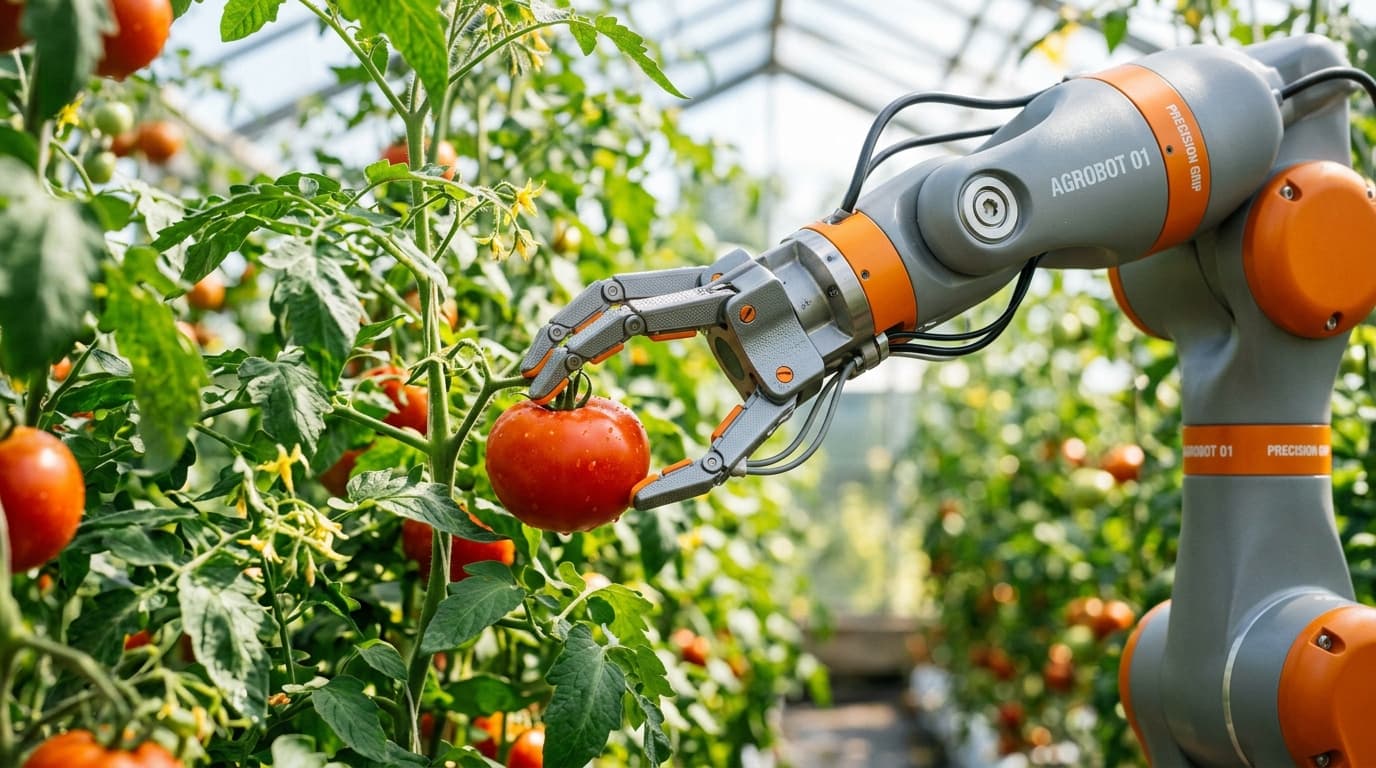
The first time I saw a robot successfully fold a laundry shirt without mangling it, I actually gasped. For years, AI was trapped inside our screens. We could generate hyper-realistic images and write entire books in seconds, but getting a robot to reliably pick up a glass of water felt impossible. That all changes in 2026. Welcome to the era of Physical AI.
Escaping the Screen
We are finally seeing the convergence of advanced machine learning models and robotics. It’s no longer about pre-programmed, rigid movements. These machines can see and understand their environment in real-time.
I recently got my hands on the [Unitree Go3 robot dog] ($1,800), and the difference from older models is staggering. It doesn't just walk; it assesses the terrain, avoids moving obstacles smoothly, and can even fetch my [Yeti Rambler] ($35) from the kitchen using its new manipulator arm. It’s not just a cool toy; it’s an autonomous agent operating in physical space.
The Real-World Applications
This isn't just happening in fancy labs. The shift is already hitting consumer products. Have you seen the [Ecovacs Deebot X4 Omni] ($1,299)? It doesn't just vacuum; its Physical AI system recognizes individual objects. It knows the difference between a charging cable and a sock, gently pushing them aside instead of swallowing them whole.
And it goes beyond chores. We're seeing intelligent robotic arms like the [Elephant Robotics myCobot Pro] ($850) being used by small businesses to package products or even by hobbyists to automate precise tasks in their workshops.
What This Means for Us
The line between software and hardware is blurring fast. In the next few years, I expect we’ll stop thinking of AI as something we type into, and start thinking of it as an active participant in our physical lives.
The biggest challenge? Trust. Giving a machine the power to act autonomously in the real world is a massive leap. But based on my experience testing these early Physical AI systems, the safety protocols are robust, and the utility is off the charts. We are watching the sci-fi dreams of the 2000s become the consumer reality of 2026.
David tests AI tools, gadgets, and developer platforms hands-on before writing about them. His work focuses on making complex tech approachable — without the hype. He has covered 100+ products across AI, gadgets, and software for TechPixelly.