The End of Physical Games: Sony and Xbox Shift to All-Digital by 2028
TL;DR
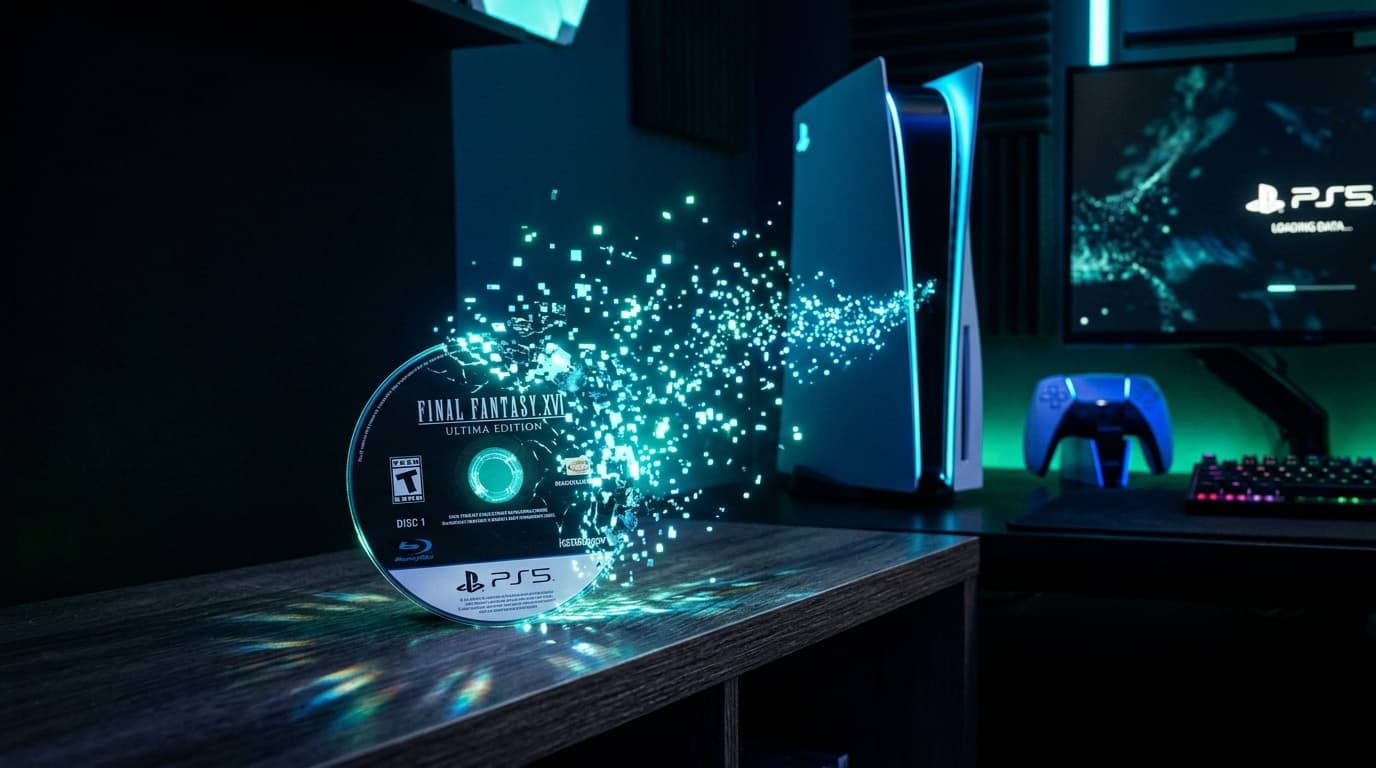
The era of the game disc is drawing to a close. Industry insiders suggest that both Sony and Microsoft are planning to make their next-generation consoles completely discless by 2028. This shift promises unprecedented convenience and lower production costs, but raises massive concerns about game ownership, digital preservation, and the future of brick-and-mortar game retailers. As we hurtle toward an all-digital gaming landscape, players are forced to adapt to a reality where their game libraries are tied entirely to server licenses rather than physical shelves.
The Writing on the Wall: A Digital Decade in the Making
For anyone paying attention to the gaming industry over the last ten years, the shift toward an all-digital future is hardly a surprise. It’s been a slow, methodical boiling of the frog.
When the current generation of consoles—the PlayStation 5 and Xbox Series X/S—launched, both companies introduced digital-only variants. The Xbox Series S omitted a disc drive entirely, offering a cheaper entry point into next-gen gaming. Sony followed suit with the PS5 Digital Edition, which sold out just as fast as its disc-toting counterpart.
But the writing has been on the wall long before these consoles hit the shelves. If you've been following our coverage on the evolution of digital distribution, you know that digital sales have been steadily cannibalizing physical sales year over year. In 2023, digital downloads accounted for a staggering 70-80% of all AAA game sales, depending on the publisher. By 2025, that number had crept past 90%.
The financial incentives for Sony and Microsoft are simply too massive to ignore. Producing physical discs involves manufacturing, packaging, shipping, and retailer cuts. A digital sale, especially through their first-party storefronts (the PlayStation Store and the Xbox Games Store), nets the platform holder a much larger slice of the pie—often up to 30% per transaction, with no physical overhead.
2028: The Tipping Point
According to recent leaks and industry supply chain reports, 2028 is the target year for the launch of the next generation of consoles (presumably the PlayStation 6 and the next iteration of Xbox). Multiple sources indicate that these upcoming consoles will launch without a physical disc drive as standard.
While there are rumors that a detachable, external disc drive might be sold separately for legacy backward compatibility, the core gaming experience going forward will be fundamentally discless.
This isn't just about cutting costs; it's about ecosystem lock-in. When your entire library exists on a digital account, transitioning to a competitor's ecosystem becomes a monumental sacrifice. If you own 150 digital PS5 games, you are significantly more likely to buy a PS6 than make the jump to Xbox, and vice versa.
The Rise of Game Pass and PS Plus
The transition to all-digital is intrinsically linked to the rise of subscription services. Xbox Game Pass and PlayStation Plus Extra/Premium have fundamentally changed how millions of people consume games. We are moving from a model of "ownership" to a model of "access."
Why buy a $70 physical disc when you can pay $15 a month for access to hundreds of titles, including day-one releases? This Netflix-ification of gaming has conditioned a new generation of players to view games as ephemeral experiences rather than physical collectibles. If you're interested in how subscription models are taking over the industry, check out our deep dive into the subscription economy.
What Does This Mean for the Gamers?
The shift to an all-digital future is a double-edged sword. Let's break down the pros and cons for the average consumer.
The Benefits of Going Discless
- Unmatched Convenience: The ability to switch between games instantly without getting off the couch is a luxury that's hard to give up once you're used to it. Pre-loading games so they are ready to play the second they launch at midnight is another massive perk.
- Reduced Hardware Costs (Maybe): Removing the optical drive reduces manufacturing costs. While it's uncertain if these savings will be passed on to the consumer in 2028, it theoretically allows for sleeker, quieter, and potentially cheaper console designs.
- Environmental Impact: Fewer plastics manufactured, fewer trucks on the road shipping games, and less packaging waste. The environmental footprint of an all-digital game is significantly smaller than a physical one.
- Indie Game Explosion: Without the massive overhead of physical distribution, independent developers have thrived. Digital storefronts have democratized game publishing, leading to a golden age of indie titles.
The Dark Side of the Digital Coin
- The End of True Ownership: When you buy a digital game, you aren't buying the game; you are buying a license to play it. That license can be revoked. If a publisher loses a music license, a game can be delisted. If a platform holder decides to shut down old servers, your digital library could vanish.
- The Death of the Used Game Market: Physical games can be resold, traded, or lent to a friend. Digital games cannot. The elimination of the used game market means players have fewer ways to recoup their investments, and it forces consumers to buy at whatever price the digital storefront dictates.
- Broadband Inequality: Not everyone has access to the blazing-fast gigabit internet required to download a 150GB game file in a reasonable timeframe. For rural gamers or those with data caps, an all-digital future is a massive barrier to entry. For tips on optimizing your home network for massive downloads, read our guide on choosing the best mesh Wi-Fi routers.
- Storage Nightmares: With games ballooning past the 100GB and even 200GB mark, internal console storage fills up fast. An all-digital future means gamers will be heavily reliant on expensive SSD expansions.
Speaking of storage, if you're preparing for the digital-only future, upgrading your console's storage is no longer optional—it's mandatory.
- ✓ Blazing fast 7
- ✓ 300 MB/s read speeds; Includes built-in heatsink; Officially licensed options available
- ✗ Premium price tag; Installation requires a screwdriver and a steady hand
The Preservation Crisis: Losing Gaming History
Perhaps the most alarming consequence of an all-digital future is the threat to game preservation. Physical media is a tangible record of art. You can pull a Nintendo Entertainment System cartridge from 1985 off a shelf, plug it in, and play it today.
What happens to a digital-only game released in 2028 when the servers are inevitably shut down in 2045?
We have already seen glimpses of this digital dark age. Nintendo's closure of the Wii U and 3DS eShops meant that hundreds of digital-only games simply ceased to exist legally. They cannot be purchased anywhere. If it weren't for the tireless efforts of software pirates and the emulation community, these games would be lost to history forever.
When Sony and Microsoft move completely away from physical media, the responsibility of preserving gaming history falls entirely into the hands of corporations whose primary motive is profit, not archival integrity. If a game doesn't make money, it won't be kept alive on a server. It's a terrifying prospect for game historians and retro enthusiasts.
The Retailer Reckoning: What Happens to GameStop?
The transition to all-digital is an existential threat to brick-and-mortar video game retailers. Companies like GameStop, GAME in the UK, and EB Games have built their entire business models around the sale and resale of physical media.
As the physical disc market shrinks to zero, these retailers are being forced to pivot dramatically. We're already seeing this shift as stores allocate more floor space to pop-culture merchandise, Funko Pops, trading cards, and gaming apparel.
But can a dedicated game retailer survive without selling games? It's highly unlikely. By 2028, we expect to see a massive contraction in specialty gaming retail. Big-box stores like Walmart and Target will likely stop stocking physical games entirely, repurposing that highly valuable electronics aisle real estate for tech accessories and smart home devices. For a broader look at how tech is reshaping retail, explore our article on AI in the retail sector.
The Inevitable Future: How to Prepare
Like it or not, the discs are disappearing. The shift is driven by economics, convenience, and corporate strategy, and no amount of internet petitions will bring them back. The era of the midnight physical launch party at your local mall is over.
So, how do you prepare for the all-digital gaming landscape of 2028?
- Invest in Storage: As mentioned earlier, high-capacity, high-speed NVMe SSDs are going to be your best friend. Don't wait until you're deleting games to make room for a new update.
- Curate a Physical Collection Now: If you care about physical media, start curating your collection today. The physical editions of current-gen games are likely to become highly sought-after collector's items in the next decade.
- Advocate for Digital Rights: Support organizations that fight for consumer digital rights. We need robust legislation that ensures when you purchase a digital license, you have guaranteed, long-term access to that product, even if the storefront shuts down.
- Embrace the Cloud (Cautiously): Cloud gaming is the logical next step after digital downloads. Services like Xbox Cloud Gaming and NVIDIA GeForce Now are improving rapidly. While not a replacement for native hardware yet, they are a significant part of the discless future.
Conclusion: A Bittersweet Goodbye
The impending death of the physical game disc is a bittersweet milestone in technology. It marks the end of an era defined by manual instruction booklets, the smell of fresh plastic wrap, and towering shelves of multicolored spines.
The future is undoubtedly more streamlined, more profitable for publishers, and more convenient for the average player. But as we hand over the keys to our digital libraries to Sony and Microsoft, we must remain vigilant about consumer rights, digital preservation, and the true cost of convenience.
By 2028, the console under your TV will likely just be a sleek black box, devoid of a disc slot. The games will live in the ether, beamed down through fiber optic cables. It's a bold new world for gaming—let's just hope we actually get to keep the games we buy.
David tests AI tools, gadgets, and developer platforms hands-on before writing about them. His work focuses on making complex tech approachable — without the hype. He has covered 100+ products across AI, gadgets, and software for TechPixelly.