SIGGRAPH 2026: NVIDIA's World Models and the Neural Rendering Revolution
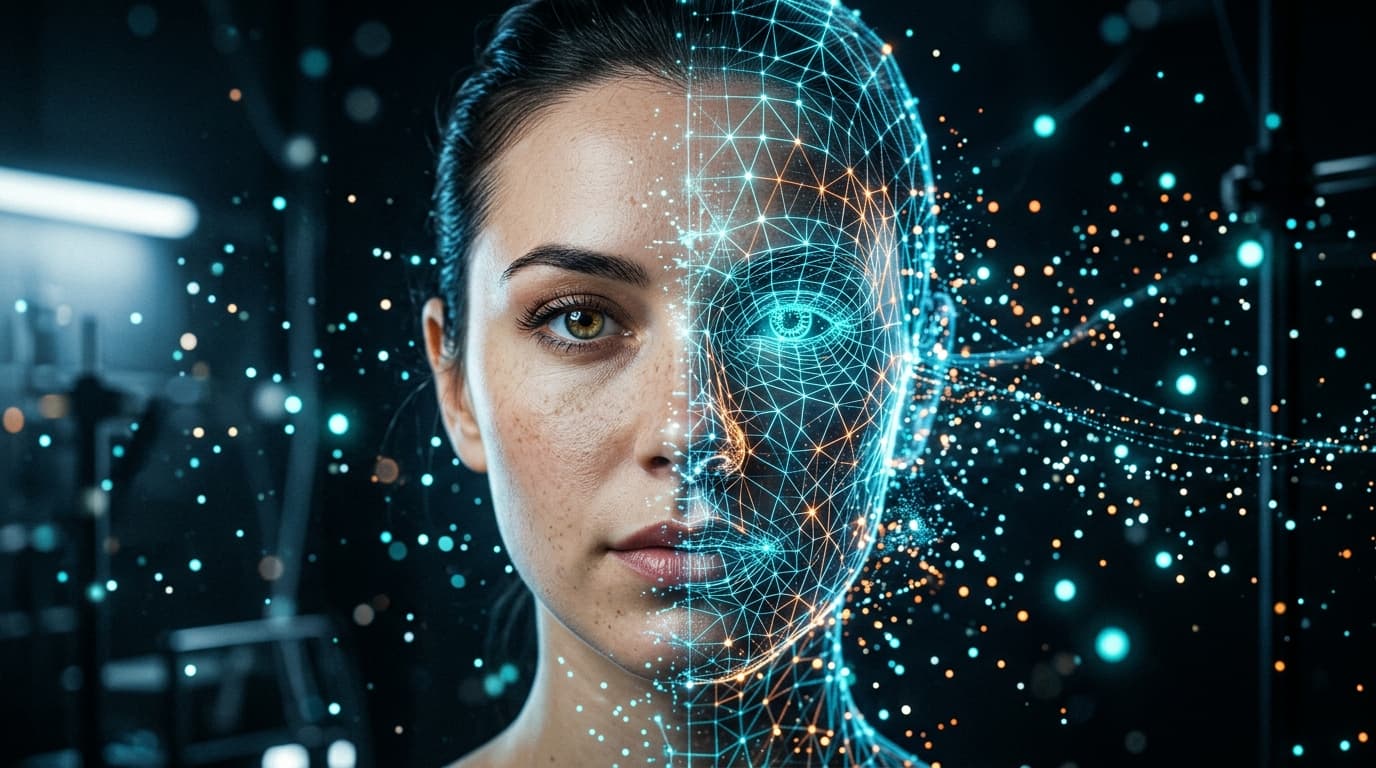
SIGGRAPH 2026 has unveiled breakthroughs in neural rendering, world models, and physical AI simulation. Here's how NVIDIA's Cosmos 3 Edge and new research are redefining digital reality.
Every year, SIGGRAPH is where the frontier of computer graphics meets the frontier of artificial intelligence. In 2026, the conference has delivered its most consequential lineup in decades, with NVIDIA and its research partners showcasing breakthroughs that blur the line between simulation and reality.
The headline: World Models — AI systems that don't just generate images, but construct full, physically accurate, interactive 3D environments from text descriptions alone.
1. NVIDIA Cosmos 3 Edge: World Models Go On-Device
The biggest announcement at SIGGRAPH 2026 is NVIDIA Cosmos 3 Edge, a compact world model designed to run directly on edge devices — robots, autonomous vehicles, and AR headsets — rather than requiring cloud compute.
Cosmos 3 Edge can take a natural language description like "a busy Tokyo intersection at dusk during rain" and generate a fully navigable, physically plausible 3D simulation in real time. The simulation obeys realistic lighting (global illumination), physics (wet roads, reflections), and even pedestrian behavior patterns.
This isn't a static render. It's a living digital twin that an autonomous vehicle can use to predict what will happen next in the real world.
2. Neural Rendering: The Death of Traditional Graphics Pipelines
SIGGRAPH 2026 has made one thing clear: the traditional rasterization and ray-tracing graphics pipeline is being augmented — and in many cases replaced — by neural rendering.
Instead of manually modeling every polygon, texture, and lighting pass, neural rendering uses trained neural networks to directly output photorealistic frames. This approach is orders of magnitude faster for complex scenes and produces results that are often indistinguishable from reality.
Key showcases include:
- Real-time neural radiance fields (NeRFs) running at 120fps on consumer GPUs.
- Generative 3D asset creation where artists describe a character or environment in text and the AI generates a fully rigged, animation-ready 3D model.
- Neural relighting systems that can dynamically change the time of day, weather, and lighting conditions on pre-captured real-world footage in real time.
3. Implications for Industry
The implications of world models and neural rendering extend far beyond entertainment:
- Autonomous Systems: Self-driving cars and delivery drones can pre-simulate millions of edge-case scenarios in photorealistic fidelity before ever encountering them in the real world.
- Manufacturing: Digital twins of factory floors, rendered with neural pipelines, allow engineers to optimize production lines without halting operations.
- Healthcare: Surgical training simulators powered by world models can generate patient-specific anatomical environments from a single CT scan.
The Line Between Real and Rendered
SIGGRAPH 2026 marks the moment where the distinction between "real" and "rendered" became functionally irrelevant. The world models unveiled this week don't just simulate reality; they understand it — and that changes everything.
David tests AI tools, gadgets, and developer platforms hands-on before writing about them. His work focuses on making complex tech approachable — without the hype. He has covered 100+ products across AI, gadgets, and software for TechPixelly.